Dental Implants Bakersfield CA and the Benefits of Custom Restorations
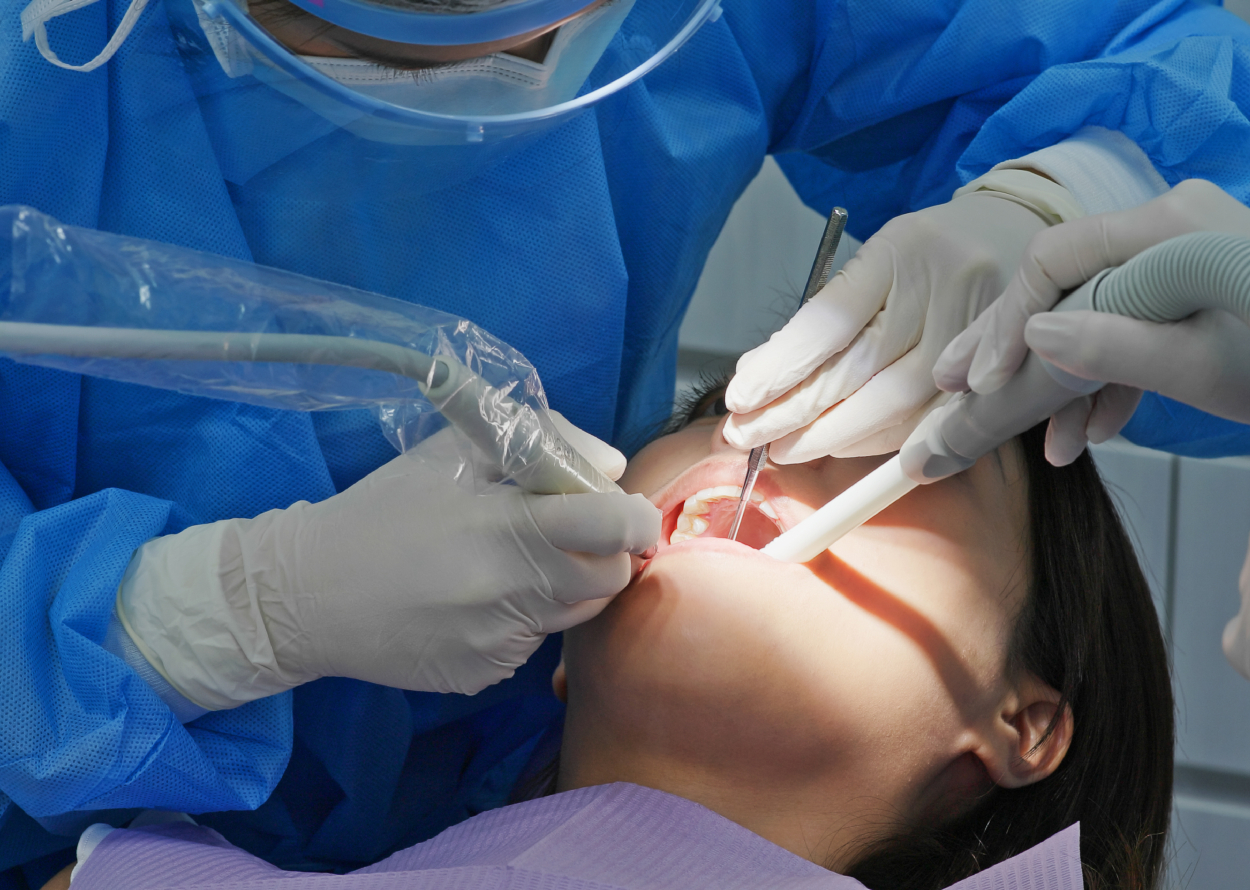

Losing a tooth changes more than a smile. It affects the way food is chewed, the way words come out, and often the way a person carries themselves in a room. In practice, I have seen patients adapt in surprisingly creative ways. They chew on one side for years, avoid photos, or learn how to smile with their lips closed. Those workarounds can get someone through the day, but they rarely feel like a real solution.
That is where dental implants earn their reputation. When done well, they do not simply fill a gap. They rebuild structure, function, and confidence in a way that feels stable and lasting. For patients researching Dental Implants Bakersfield CA, one of the most important points is often overlooked at first: the implant itself matters, but the restoration on top matters just as much. A custom restoration is what turns a surgical fixture into a tooth that looks right, bites correctly, and blends into the rest of the mouth.
A standard, one size fits all approach can work in limited situations, but natural teeth are not standard. Their shape, shade, contour, and position vary from person to person. The gumline frames every tooth differently. Bite forces are never distributed in exactly the same way between two patients. Customization is not a luxury in implant dentistry. It is usually the difference between a replacement that merely occupies space and one that feels like it belongs there.
Why the restoration deserves as much attention as the implant
When people hear the phrase dental implant, they often picture the titanium post placed in the jawbone. That post is critical because it acts like an artificial root. Yet what the patient sees and feels every day is the restoration, usually a crown, bridge, or denture attached to the implant. If the visible portion is poorly shaped, too bulky, too flat, slightly off color, or not designed for the patient’s bite, the implant can still feel disappointing despite successful healing.
A custom restoration is built around the patient’s anatomy, not around inventory sitting on a shelf. That distinction sounds simple, but it has practical consequences. The angle of the implant, the thickness of the gum tissue, the width of the space between neighboring teeth, and the amount of room between upper and lower arches all influence what the restoration should look like. Even speech patterns can matter, especially with front teeth. A millimeter in the wrong place can change the way an “s” or “f” sounds.
This is especially relevant in visible areas. Replacing a lower molar and replacing an upper central incisor are completely different assignments. The back tooth must tolerate significant force and fit the chewing pattern. The front tooth must manage color, translucency, contour, and gum symmetry under direct light. Both benefit from customization, but for different reasons.
What “custom” really means in implant dentistry
Custom restorations are not just prettier crowns. The term covers several layers of planning and fabrication. In many cases, customization starts before the implant is even placed. The final tooth shape helps determine the ideal implant position. If that sequence gets reversed carelessly, the restorative dentist may have to compromise later.
A truly customized implant restoration may involve a tailored emergence profile, which is the way the crown rises from the gumline. It may include a custom abutment, the connector piece between the implant and the crown, designed to support the gum tissue more naturally. It also includes individualized material selection. A zirconia crown might be a strong choice in one setting, while layered ceramic may offer better esthetics in another.
Shade matching is another place where experience shows. Teeth are rarely one flat color. Natural enamel carries depth, subtle translucency, and slight changes from the gumline to the biting edge. Nearby teeth may have tiny asymmetries, soft wear patterns, or faint craze lines that make them believable. A custom restoration can reflect those details without looking theatrical. The goal is not perfection in the abstract. The goal is harmony in the patient’s real mouth.
The functional advantage patients notice first
Aesthetic improvements get attention, but function is usually what patients appreciate day to day. When a custom implant restoration is shaped properly, food clears more naturally during chewing. The bite feels balanced instead of awkward. The tongue does not keep finding a rough edge or overcontoured surface. Floss can pass correctly between teeth without constantly shredding.
These small details matter because the mouth is unforgiving. It notices interference quickly. If a restoration is even slightly high in the bite, some patients wake up with soreness in the jaw or pressure around the implant. If the contours trap food, the gum tissue may stay irritated. If the contact with the neighboring tooth is too open, the patient ends up picking food out after nearly every meal. None of those problems is dramatic in isolation, but together they can turn a promising treatment into a daily annoyance.
Patients looking into Dental Implants Bakersfield CA often ask whether implants feel like real teeth. The honest answer is that implants do not have the exact same ligament feedback that natural teeth have. They are anchored directly to bone. But a well-designed custom restoration can get remarkably close in comfort and usability. The patient may still know intellectually that it is an implant, yet functionally it often fades into the background of normal life, which is exactly what most people want.
Esthetics are about more than color
When dentists discuss esthetics with implant restorations, many people assume the conversation begins and ends with matching the shade. Color is only one piece. Shape, texture, line angles, and gum support are equally important, and sometimes more important.
A crown that matches the color chart but has the wrong proportions can still look artificial. If it is too square where the neighboring teeth are soft and rounded, it catches the eye. If the surface is too smooth compared with adjacent enamel, it reflects light differently. If the gumline around the implant sits slightly too high or too low, https://franciscotqqq757.oakridgedigest.com/posts/dental-implants-bakersfield-ca-and-the-importance-of-healthy-gums that asymmetry becomes noticeable in a broad smile.
Custom restorations help address those variables. In the front of the mouth, subtle changes in width and contour can make the difference between a restoration that blends and one that looks pasted in. In the back of the mouth, esthetics still matter, but anatomy often centers more on function, durability, and cleanability.
There is also a regional factor worth mentioning. Bakersfield has no single patient profile. Some patients work in public-facing roles and are especially concerned with smile line and close-up appearance. Others care most about being able to chew steak, nuts, or raw vegetables comfortably again. Many want both. A custom plan respects those priorities rather than assuming every patient values the same outcome.
How custom restorations support healthier gums
One of the least glamorous but most important benefits of custom implant restorations is tissue health. Gum tissue responds to contour. If the crown or abutment is overbuilt near the gumline, it can become harder to clean and more likely to trap plaque. If it is undercontoured, the result can be poor support for the tissue and an odd shadow or food trap.
Healthy soft tissue around implants is not just a cosmetic bonus. It helps seal and protect the area. Good contours make home care easier, and easier cleaning usually means more consistent cleaning. That matters over the long term because implants, like natural teeth, depend on good maintenance. The supporting structures can become inflamed if plaque accumulates.
I have seen cases where a patient assumed the implant itself was failing when the real issue was a poorly shaped restoration irritating the tissue. Once the contours were corrected and hygiene improved, the area settled down nicely. That experience stays with people. It also highlights why the lab work, the design, and the finishing details deserve respect.
The planning stage often predicts the final result
Strong implant outcomes are usually built during planning, not improvised on delivery day. Imaging, digital scans, photographs, models, and bite records all help create a restoration that fits both the bone and the visible smile. Good planning is especially important in cases involving multiple missing teeth, limited bone volume, or a history of gum recession.
Patients sometimes feel impatient during this stage because much of the work happens behind the scenes. Yet those records reduce guesswork. They help the clinical team decide where the implant should go, what size restoration the space can support, whether grafting may be needed, and what type of provisional restoration can guide the soft tissue.
In front tooth cases, a temporary crown or provisional can play a major role. It is not just a placeholder. It can help shape the gum tissue gradually so the final crown emerges more naturally. That is a detail many patients do not expect, but it often has a major impact on the final appearance.
Situations where custom work matters even more
Every implant restoration benefits from thoughtful design, but some situations demand a higher level of customization. The need becomes more obvious when anatomy, esthetics, or bite complexity leave less room for error.
Here are some common examples:
- A front tooth in a high smile line, where tiny asymmetries show easily.
- A patient with thin gum tissue, where contour and material choice affect the visible result.
- Multiple adjacent implants, where spacing and papilla support become more challenging.
- A history of grinding or clenching, which increases mechanical stress.
- Limited space between the arches, which can complicate crown design and screw access.
These are the cases where generic restorative choices tend to reveal their limits quickly. They can still be managed well, but they reward precision.
Material choices are not interchangeable
Patients often hear the names zirconia, porcelain, ceramic, or titanium and assume one is universally best. Real treatment decisions are more nuanced. Strength, esthetics, location in the mouth, bite force, and implant position all influence material selection.
Zirconia has become popular because it is strong and can look very good, especially in posterior teeth and many single-unit restorations. Layered ceramics can provide excellent esthetics in highly visible areas, though they may require careful case selection. Titanium remains common for implant components because of its established performance and compatibility. In some esthetic situations, a tooth-colored abutment material may help avoid gray show-through in thin tissue.
The right material is the one that fits the case, not the one with the flashiest reputation. A strong material placed in a poor design can still fail. A beautiful material chosen without regard to bite force can chip or wear prematurely. That is why experienced dentists tend to discuss materials in the context of your mouth rather than in absolutes.
Longevity depends on fit, bite, and maintenance
Most patients asking about Dental Implants Bakersfield CA want to know one thing plainly: how long will it last? There is no honest universal number because longevity depends on surgical success, bone quality, oral hygiene, bite forces, smoking status, medical factors, and the design of the restoration itself. But the general principle is straightforward. Better planning and better fit usually improve the odds of a longer service life.
Custom restorations contribute to longevity in several ways. They can reduce uneven bite loading, improve cleanability, support healthier gums, and create a more stable connection between components. Those are not glamorous benefits, but they are the ones that often matter years later.
Maintenance still matters. An implant is not vulnerable to decay the way a natural tooth is, but the surrounding tissue and bone can still develop problems if plaque control is poor. Nightguards may be recommended for patients who clench or grind. Routine follow-up visits help catch wear, loosening, tissue inflammation, or bite changes before they become larger repairs.
A well-restored implant should not feel like a fragile possession that the patient is afraid to use. It should feel dependable. That dependability is usually the product of many small correct decisions.
Questions worth asking before treatment begins
Many patients focus on cost first, which is understandable, but the better first step is to understand what is being proposed. Implant treatment can vary widely in approach, timing, and restorative quality. Asking a few focused questions helps clarify whether the plan is tailored or generic.
A useful conversation often includes these points:
- whether the final tooth shape is being planned before implant placement
- whether a custom abutment is appropriate for the case
- what material is recommended for the final restoration and why
- how the bite will be adjusted and monitored after placement
- what maintenance will be needed over time
Those questions do not require the patient to become a dental expert. They simply open the door to a better discussion. Good clinicians generally welcome them.
Cost, value, and the temptation to cut corners
Custom work usually costs more than basic stock-driven solutions. That can make treatment planning uncomfortable, especially when multiple teeth are involved. Still, the least expensive option at the start is not always the least expensive over time.
When a restoration is poorly contoured, off in the bite, difficult to clean, or esthetically disappointing, the patient may end up paying for remakes, adjustments, lost time, and frustration. More importantly, some problems cannot be corrected easily once tissue shape or implant position is set. Saving money on the visible restorative phase can be a false economy if it compromises the result.
That does not mean every case requires the most elaborate materials or the most expensive lab. It means the treatment should be proportionate to the demands of the case. A back molar for a patient with a low smile line and straightforward anatomy may not need the same level of artistry as a central incisor in a patient with thin tissue and exacting esthetic expectations. Judgment matters. The best plans are not maximalist. They are appropriate.
Bakersfield patients often need practical, durable solutions
In a city like Bakersfield, lifestyle matters. Some patients work long shifts and want fewer disruptions. Some spend time outdoors and care about hydration, comfort, and practical maintenance. Some have delayed treatment for years and arrive with several missing teeth, worn enamel, or bone loss that makes planning more complex. These are real-world cases, not textbook diagrams.
That is one reason custom implant restorations are so valuable. They can account for the way a patient actually lives. A person who clenches during stressful workdays may need a different occlusal design than someone with light bite forces. A patient replacing a single front tooth after trauma may prioritize seamless esthetics. Someone stabilizing a posterior bite after years of missing molars may care more about chewing efficiency and protecting the remaining teeth.
The treatment becomes more meaningful when it reflects those realities. Dentistry works best when it is both technically sound and personally relevant.
What a successful result feels like
The best implant restorations do not usually announce themselves. Patients describe them in simple ways. They say food feels normal again. They say they stopped thinking about the missing tooth. They smile without rehearsing it first. Sometimes they mention that the implant side has become the side they chew on automatically, which is a quiet but strong sign of trust.
That kind of result rarely comes from chance. It comes from careful diagnosis, precise placement, strong communication between the dentist and laboratory, thoughtful material selection, and a restoration designed for the specific mouth it will live in.
For anyone exploring Dental Implants Bakersfield CA, the takeaway is clear. Do not evaluate treatment by the implant fixture alone. Ask how the final restoration will be designed, how it will support the gum tissue, how it will match the bite, and how it will blend with the surrounding teeth. Those details are where comfort, appearance, and long-term satisfaction are built.
Custom restorations are not an extra flourish added at the end. They are the part patients see, use, and judge every day. When done well, they make implant dentistry feel less like repair and more like restoration in the fullest sense of the word.
Smyle Dental Bakersfield
2016 E St, Bakersfield, CA 93301, United States
+16614939040
FAQ About Dental Implants Bakersfield CA
What is the downside of a dental implant?
The main downsides of dental implants involve high financial costs, surgical risks, a lengthy healing process, and the potential for long-term complications.
How much does a full set of implants usually cost?
A full set of dental implants (covering both the upper and lower arches) typically ranges from $6,000 to $90,000+, depending heavily on the type of treatment, materials used, and whether the teeth are fixed or removable.
Can I have all my teeth pulled and get implants?
Yes, you can have all your teeth pulled and replaced with dental implants. Instead of placing a separate implant for every single tooth (which is costly and time-consuming), dentists typically use full-arch systems.